Go Back Up

business_insurance_icon   Commercial Coverages | Overview

commercial_overview_02

Commercial Insurance in Michgan Made Clear

At Finlan Insurance, we help Michigan business owners build coverage that’s practical, easy to understand, and built around how you actually operate – your people, your property, your vehicles, your contracts, and your day-to-day risk.

As a local, independent agency based in Plymouth, we bring you options from respected carriers, plus guidance that stays steady through growth, change, and renewal season.

Looking for a second opinion or a fresh start? We’ll make the process simple.

Why You Need Commercial Insurance Coverage

Commercial insurance isn’t just a box to check – it’s what helps your business stay standing when something unexpected happens.

Many of the biggest business disruptions don’t come from “rare disasters.” They come from everyday situations like: 
  • A customer slips and gets hurt
  • An employee is injured on the job
  • A vehicle accident happens during business use
  • A fire, water loss, or equipment breakdown slows production
  • A cyber incident disrupts operations or exposes client data
  • A contract requires coverage limits you don’t currently carry
The right coverage helps you protect:
  • Cash flow (so one incident doesn’t become a long-term setback)
  • Your people (employees, customers, vendors)
  • Your property and equipment
  • Your reputation and client relationships
  • The business you’ve worked years to build

Who we help

Michigan businesses don’t all face the same risks. This is where experience matters. Here are a few of the industries we’re built to support:

restaurant

Restaurants / Hospitality

Multi-location operations, changing staff, vendors, and customer traffic can create complex liability and workers’ comp exposures – especially when alcohol is involved.

auto_dealership

Auto Dealerships

Dealerships have layered risk: inventory, test drives, service departments, customer property, and lender/manufacturer requirements – all needing tight coordination.

manufacturing

Manufacturing

Between equipment downtime, property exposures, workers’ comp pressure, and product liability risk, manufacturers need coverage that keeps up with operations – not just a basic policy set.

professional_services

Professional Services (Law Firms)

Your work product and client relationships create professional liability exposure – often alongside cyber risk and employment practices concerns as teams grow.

dental_practices

Dental Practices

From malpractice-related coverage needs to cyber and employee-related exposures, dental practices benefit from a coordinated approach – especially during expansion or acquisition.

second_generation_broker

Second-Generation Businesses & Inherited Broker Relationships

If you inherited insurance decisions (and a long-standing broker relationship), we can help you modernize coverage without disrupting operations – and provide clarity you can stand behind.


Coverages We Recommend

Most commercial insurance programs start with a strong foundation – then add coverage based on your real-world risk profile.

coverages_we_recommend

Core policies most businesses start with:

Business Owners Policy (BOP)

A common starting point that often bundles general liability and property coverage for qualifying businesses.

Who it’s for: Many small to mid-sized businesses with a location, equipment, and customer exposure.

Common gaps we see: Coverage that doesn’t reflect how the business actually operates – or missing add-ons for key risks. 

General Liability

Helps protect your business when a third party claims bodily injury, property damage, or certain personal/advertising injuries connected to your operations.

Who it’s for: Nearly every business with customer, vendor, or public exposure.

Common gaps we see: Limits that don’t match contract requirements; missing coordination with umbrella coverage. 

Commercial Property

Helps protect buildings (if owned) and business property (equipment, inventory, furniture) after covered losses.

Who it’s for: Businesses that own property or rely on equipment and physical assets.

Common gaps we see: Underestimated replacement costs; missing coverage considerations for business income/extra expense. 

Workers’ Compensation

Helps cover benefits related to employee work injuries and illnesses, and is required for many employers in Michigan (see requirements below).

Who it’s for: Employers with employees.

Common gaps we see: Misunderstanding the Michigan threshold; poor coordination with safety and claims management. 

Commercial Auto

For vehicles used in business operations – whether owned, leased, or used in certain business contexts.

Who it’s for: Businesses with vehicles, drivers, deliveries, service calls, or employee driving exposure.

Common gaps we see: Personal auto policies being stretched beyond business use; limits that don’t match real exposure or contract requirements. 

Commercial Umbrella / Excess Liability

Adds additional liability limits over underlying policies (like general liability, auto liability, and employers liability) depending on how the program is structured.

Who it’s for: Businesses with higher public exposure, contracts requiring higher limits, or heightened lawsuit risk.

Common gaps we see: Underlying limits not aligned; umbrella not coordinated with key policies.

Common add-ons based on risk profile: 

Cyber Liability

Helps address costs tied to cyber incidents, data exposure, and business disruption (coverage varies by policy).

Who it’s for: Any business handling customer data, payment info, or running operations digitally.

Common gaps we see: Assuming an IT vendor or basic security tools replace insurance. 

Employment Practices Liability (EPLI)

Helps protect against certain employment-related claims (often involving allegations like discrimination, harassment, or wrongful termination – policy terms vary).

Who it’s for: Employers with growing teams or higher HR complexity.

Common gaps we see: Relying on “we’re careful” instead of planning for allegations and defense costs. 

Professional Liability (E&O)

Helps protect professional service businesses when a client alleges negligence, errors, or failure to perform services as expected (varies by profession/policy).

Who it’s for: Service-based firms – legal, consulting, financial services, and more.

Common gaps we see: Confusing general liability with professional liability. 

Product Liability

Addresses liability tied to products you manufacture, distribute, or sell (often within general liability but sometimes requiring special handling based on exposure).

Who it’s for: Manufacturers, assemblers, wholesalers, and certain retailers.

Common gaps we see: Limits that don’t reflect customer requirements; missing coordination across the supply chain. 

Equipment Breakdown

Helps with certain losses tied to mechanical/electrical equipment breakdown (policy terms vary).

Who it’s for: Manufacturers, restaurants, medical/dental offices, and businesses with critical equipment.

Common gaps we see: Assuming property coverage automatically handles breakdown events. 

Inland Marine (Tools/Equipment/Property in Transit)

Helps protect certain business property that moves between locations or jobsites (policy terms vary).

Who it’s for: Contractors, service businesses, distributors, and mobile operations.

Common gaps we see: Off-premises equipment not fully covered under a basic property policy. 

Crime / Fidelity

Helps address certain theft or fraud exposures (including employee dishonesty in many forms – policy terms vary).

Who it’s for: Businesses with cash handling, financial transactions, or internal accounting risk.

Common gaps we see: Assuming internal controls fully eliminate the exposure. 

Directors & Officers (D&O) (when applicable)

Helps protect leadership from certain claims tied to management decisions (especially relevant for certain corporate structures).

Who it’s for: Larger organizations, boards, and some investor-backed companies.

Common gaps we see: Not revisiting leadership liability as the business grows. 

Surety Bonds

Often required for licensing, contracts, or project work (not insurance in the same way – but frequently part of commercial risk needs).

Who it’s for: Contractors and businesses needing performance/license bonds.

Common gaps we see: Confusion about what a bond does (and doesn’t) do. 

Explore Your Commercial Insurance Options

Click below to learn more about each type of commercial and business insurance we offer:

commercial_standard_coverage
Standard Coverage
commercial_property
Property
commercial_product
Product
commercial_auto
Auto
commercial_health
Health
commercial_umbrella
Umbrella
commercial_specialty_coverage
Specialty Coverage

Michigan-Specific Requirements & Compliance

Insurance gets even more important when your business needs coverage to stay compliant, keep a license, or satisfy contracts.

Workers’ Compensation Requirements in Michigan

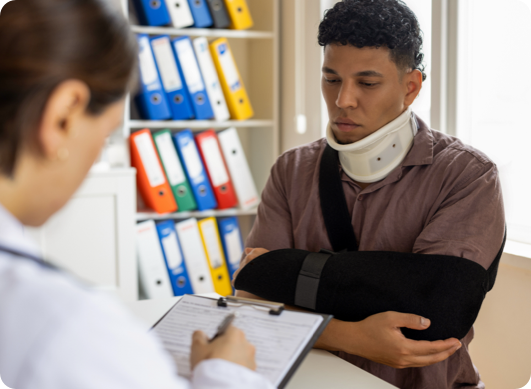
Michigan requires many employers to carry workers’ compensation coverage. For private employers, the common threshold language includes:

  • 1+ employee working 35+ hours/week for 13+ weeks during the preceding 52 weeks
    - OR -
  • 3+ employees at one time (including part-time)

(There are additional categories and nuances – for example agricultural employers and household domestic employees. We’ll help you confirm what applies to your business.)

workers_comp

Liquor Liability Proof (Michigan)

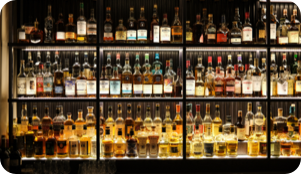
If your business serves alcohol, Michigan licensing rules often require proof of financial responsibility. The MLCC’s LC-95 instructions reference a liquor liability policy of at least $50,000 as a way to meet the proof requirement.

liquor_liability_proof

Business Auto & Michigan No-Fault Basics

If your business has vehicles on the road, Michigan’s auto insurance rules matter. Michigan’s Department of Insurance and Financial Services outlines bodily injury liability coverage choices, including the lowest limit available (50/100/10) and higher default options depending on selections.

We help business owners make sure commercial auto coverage aligns with how vehicles are actually used – and what contracts require.


business_auto

Commercial Insurance FAQs

Do I need workers’ comp insurance in Michigan if I only have part-time staff?

Possibly – Michigan’s threshold includes private employers regularly employing 3+ employees at one time (including part-time) and also includes a 35 hours/week for 13+ weeks test for certain cases. We’ll help you confirm how the rule applies to your specific staffing patterns.

What’s the difference between a BOP and general liability?

General liability is one piece of protection. A BOP often bundles general liability with property coverage for qualifying businesses. We’ll help you decide what structure fits your operations.

How do I know if my commercial property coverage is enough?

A common issue is being underinsured on replacement cost – especially after renovations, equipment upgrades, or rising material/labor costs. We review values and exposures with you.

We have multiple locations, do we need separate policies?

Sometimes yes, sometimes no. It depends on operations, property ownership, and risk profile. We help you structure coverage so it’s consistent and easy to manage.

Do restaurants in Michigan need liquor liability coverage?

Many alcohol licensees must maintain proof of financial responsibility with the MLCC, and the LC-95 instructions reference liquor liability policies of at least $50,000 as meeting the proof requirement. We’ll help you handle the paperwork and confirm what applies to your license type.

What does cyber liability cover for professional service firms?

Coverage varies, but it can help with expenses tied to data incidents, response costs, and business disruption. We’ll walk through what cyber policies commonly address and what exclusions to watch for.

What is EPLI and do we really need it?

As teams grow, so does exposure to employment-related allegations. EPLI can help with certain defense and settlement costs depending on the policy. It’s worth evaluating for many employers.

How do certificates of insurance work for landlords and vendors?

Certificates are proof of coverage – often required before work begins or a lease is finalized. We help you request and issue certificates quickly and correctly.

Can you help us switch brokers without disrupting coverage?

Yes. We manage the transition step-by-step, including implementation details and certificate needs, so there are no gaps or surprises.

Why did our premium jump even though nothing changed?

Rates can shift due to industry trends, claims history, payroll/revenue changes, carrier appetite, or updated underwriting assumptions. We break down what’s driving the change and what options you have.

How often should we review our commercial insurance program?

At least annually – plus anytime you add locations, purchase vehicles/equipment, change payroll materially, sign new contracts, expand services, or take on higher-risk work.

Let’s Make This Simple

Whether you’re renewing soon, expanding, or just tired of feeling unsure about what you’re covered for, we’re here to help.

Talk with a Finlan commercial advisor for a clear review of your coverage, your gaps, and your options.

commercial_overview_illustration