Commercial Coverages | Auto

Commercial Auto Insurance for Michigan Businesses
If your business owns vehicles, uses rented vehicles, or has employees driving their own cars for work, commercial auto insurance helps protect you when an accident leads to bodily injury, property damage, and legal claims. A Business Auto Policy (BAP) is designed for business-use exposures that personal auto policies often don’t fully address.
Let’s review what commercial auto typically covers, common gaps to watch for, and what we’ll ask for to provide accurate coverage options.
Quick Take
- Best for: any business that drives for work – deliveries, job sites, sales calls, service routes, transporting tools/materials
- Typically helps with: liability from accidents, plus physical damage coverage for insured vehicles (when selected)
- Often paired with: Hired & Non-Owned Auto (HNOA), Commercial Umbrella, General Liability/BOP, Inland Marine (tools), and Workers’ Comp
Who Needs Commercial Auto Insurance?
Commercial auto is commonly a fit for:

(HVAC, electrical, plumbing, roofing, painting, etc.)

Any Business that: Owns titled vehicles, Rents/leases vehicles for work, or has employees using personal cars for business errands
What It Typically Covers
Commercial auto policies can be built a few different ways, but these are common coverage parts:

Liability Coverage
Helps if your business is legally responsible for bodily injury or property damage caused by a covered auto, up to your policy limits (and typically includes legal defense).
Physical Damage (when selected)
Helps if your business is legally responsible for bodily injury or property damage caused by a covered auto, up to your policy limits (and typically includes legal defense).
Protects covered vehicles for things like:
-
Collision (damage from an accident)
-
Comprehensive (non-collision losses such as theft, vandalism, certain weather events - policy terms vary)


Medical Payments / Injury-Related Benefits (when selected)
Options vary by policy and state structure, but many commercial auto programs include injury-related benefits or medical payments-type coverage. We’ll walk you through what applies in your situation.
Uninsured / Underinsured Motorists (when selected)
Helps protect you if you’re hit by a driver with no insurance or not enough insurance, depending on the coverage selected and availability.


Hired & Non-Owned Auto (HNOA)
If your business rents/leases vehicles (hired) or has employees driving their own cars for work (non-owned), HNOA can help protect the business’s liability exposure in those scenarios.
Covered Auto Symbols (why this matters)
Commercial auto policies often use “covered auto symbols” to define which vehicles are covered for each part of the policy (liability vs physical damage can differ). This is a common source of misunderstandings – and a common reason claims get messy.


What it May Not Cover
Commercial auto is essential – but it isn’t “everything.”
Common gaps and expectations to set:
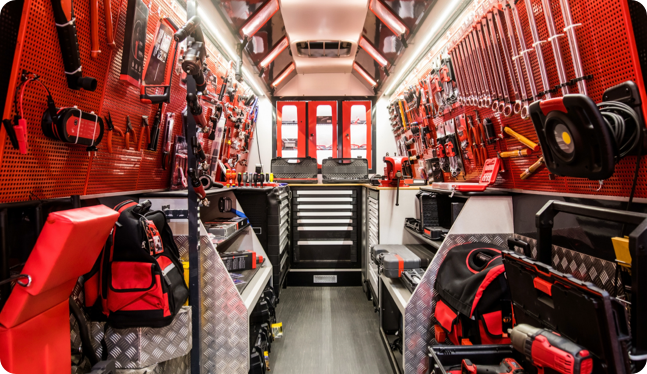
- Tools and equipment in the vehicle may require separate coverage (often Inland Marine / tools & equipment coverage).
- Employee injuries are typically handled under Workers’ Compensation, not auto liability.
- Cargo / goods being transported may require separate coverage (motor truck cargo / inland marine – depends on operations).
- Using personal vehicles for work without HNOA can leave the business exposed.
- Coverage depends on correct vehicle scheduling and symbols – we’ll confirm this upfront.
- Trucking/for-hire hauling often needs a trucking policy rather than a standard business auto policy. We also handle trucking coverage and can help you identify the right structure based on your authority, operations, and contracts.
Trucking insurance (for owner-operators and trucking businesses)
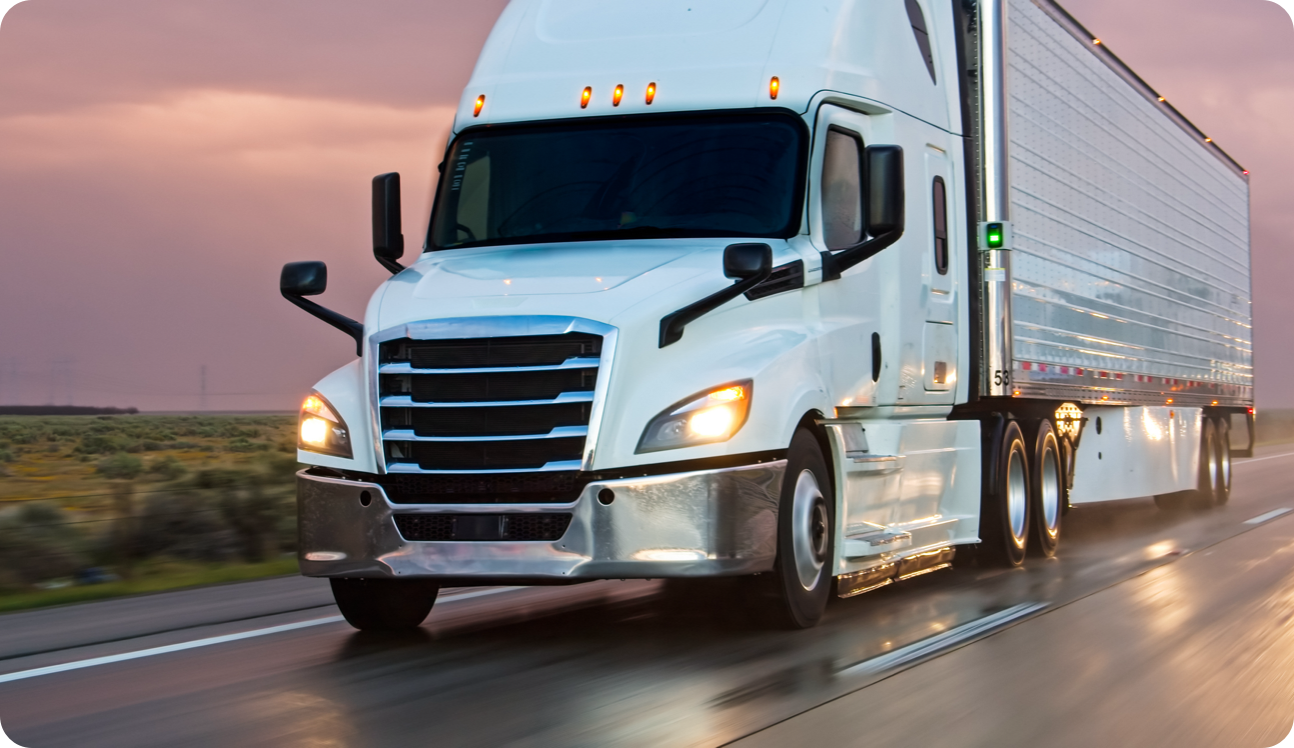
If your business involves for-hire hauling, operating under motor carrier authority, or transporting goods as your primary business, you may need trucking insurance – not just a standard commercial auto policy.
- Owner-operators
- Local and regional trucking companies
- For-hire carriers
- Businesses with box trucks or straight trucks that haul goods as a core operation
- Contracted/leased operators (depending on how your operation is structured)
Trucking programs can include coverage designed for trucking-specific exposures, such as:
- Auto liability structured for motor carrier operations
- Motor truck cargo (goods you transport)
- Physical damage for scheduled trucks/tractors
- Non-trucking liability / bobtail (when applicable)
- Trailer interchange (when applicable)
- Help coordinating required filings where they apply (varies by operation)
Not sure whether your situation is “commercial auto” or “trucking”? That’s common. We’ll ask a few quick questions – who you haul for, what you haul, and how you’re paid – then point you to the right fit.
Real-World Claim Scenarios
1. Rear-end accident on the way to a job site
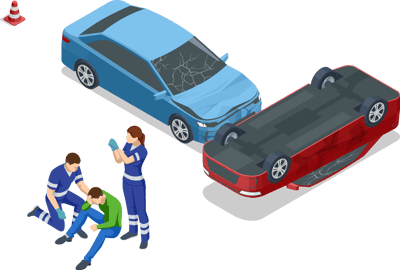
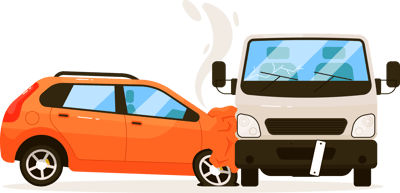
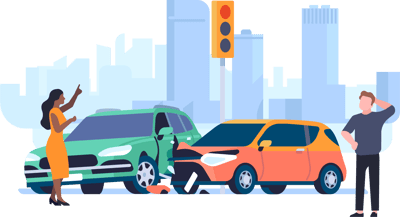
A technician in a company van causes an accident and the other driver claims injury and vehicle damage. Liability coverage may help with defense and damages if your business is legally liable.
2. Employee uses a personal car for a work errand
They’re in an accident while running a business-related task. Personal auto may respond for the driver – but the business can still be named. HNOA is designed to help protect the business liability exposure in this scenario.
3. Theft or vandalism of a scheduled vehicle
A covered vehicle is stolen or vandalized overnight. Comprehensive coverage (if selected) may help repair/replace the vehicle, subject to terms and deductible.
What Impacts Cost
Commercial auto premiums vary widely since every business is different. However, common pricing variables include:
- Type of vehicles (vans, pickups, box trucks, specialty vehicles)
- How vehicles are used (local service routes vs deliveries vs transporting materials)
- Driver profiles and motor vehicle records (MVRs)
- Where vehicles are garaged/operated
- Annual mileage and radius of operation
- Vehicle values (for physical damage) and deductible choices
- Liability limit selections and whether you add an umbrella
- Claims history and years in business
- Whether you need HNOA, hired autos, or broader covered auto symbols
What We'll Ask You For
To quote accurately and avoid coverage gaps, we’ll typically request:
- Business name, entity type, and operations description
- Vehicle list (VINs, year/make/model, garaging address, ownership)
- How each vehicle is used (service, delivery, sales, transport, etc.)
- Driver list + MVR/driver info (as required by carriers)
- Estimated annual mileage and operating radius
- Prior insurance and loss runs (if available)
- Any contract requirements (limits, additional insured wording, certificates)
- Whether employees use personal vehicles for work (to evaluate HNOA)
FAQs
Do I need commercial auto if I already have personal auto?
If a vehicle is owned by the business or used primarily for business, personal auto may not be enough. Commercial auto is designed for business-use exposures.
What’s the difference between commercial auto and general liability?
General liability focuses on non-auto business liability (like slip-and-falls). Commercial auto addresses liability arising from vehicle use.
What if employees drive their own cars for work?
That’s a common exposure. Hired & Non-Owned Auto (HNOA) can help protect the business’s liability when employees use personal vehicles for business errands.
Does commercial auto cover rental vehicles?
Often, yes – if you include hired auto coverage and the policy is structured appropriately.
Are tools and equipment in the vehicle covered?
Not always. Tools/equipment often need separate inland marine or tools coverage, depending on value and use.
Do I need physical damage coverage?
If you want protection for your own vehicles (collision/comprehensive), you’ll typically add physical damage coverage.
What are “covered auto symbols,” and why should I care?
Symbols define which autos are covered for each coverage part (owned, hired, non-owned, etc.). This is one of the most important details on a commercial auto policy.
Can I get proof of insurance (COI) for a job?
Yes – once coverage is in place, certificates are common. If a client requires special wording or higher limits, we’ll review the contract language with you.
What limits do businesses usually carry?
It varies by industry, contract requirements, and risk tolerance. Many decisions are driven by customer contracts and umbrella pairing.
What if we do deliveries or transport goods?
You may need additional considerations (like cargo coverage) depending on what you transport and how your contracts are written.
Do you offer trucking insurance, or only commercial auto?
We offer both. If you’re hauling for-hire, operating under motor carrier authority, or trucking is your primary operation, you may need a trucking policy rather than a standard commercial auto policy. We’ll help you confirm the correct structure and coverage options.
I have a box truck – do I need commercial auto or trucking insurance?
It depends on how the vehicle is used. If it’s used primarily for your business operations (service, deliveries for your own company), commercial auto may be appropriate. If you haul goods for others as a for-hire operation, trucking coverage may be a better fit. We’ll sort this out quickly during quoting.
Lorem ipsum dolor sit amet, consectetuer adipiscing elit?
Donec nec justo eget felis facilisis fermentum. Aliquam porttitor mauris sit amet orci. Aenean dignissim pellentesque felis. Praesent dapibus, neque id cursus faucibus, tortor neque egestas auguae, eu vulputate magna eros eu erat. Aliquam erat volutpat.
Do commercial trucking companies need special filings?
Some operations require federal filings/endorsements tied to operating authority. If that applies, we’ll help you identify and coordinate what’s required.
How fast can we get started?
If you can share your vehicle list, driver list, and current policy (if you have one), we can usually move quickly.
Talk to an Agent
If your business drives for work – even occasionally – we’ll help you confirm what’s covered, close common gaps (like non-owned auto), and build a commercial auto policy that matches how you actually operate.