Commercial Coverages | Property

Commercial Property Coverage for Michigan Businesses
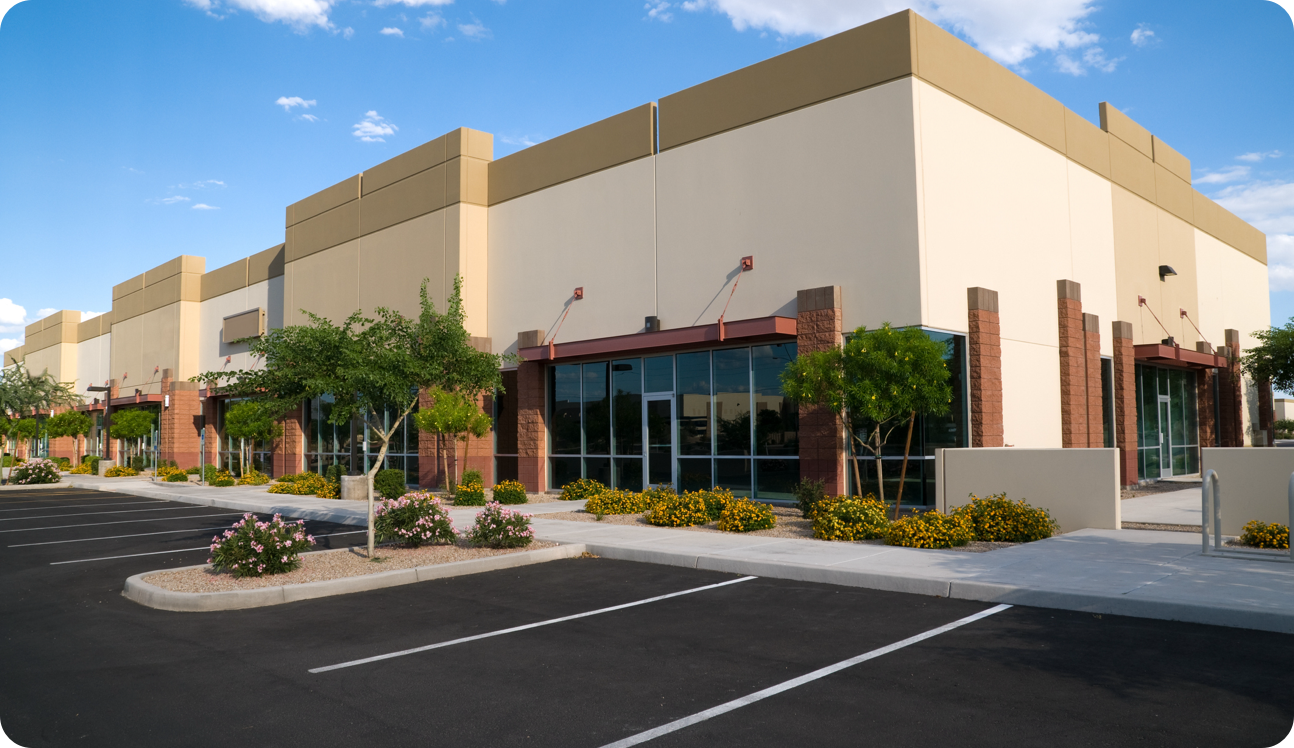
Your business relies on more than people – it depends on the building, equipment, inventory, and improvements that keep things running. Commercial property insurance helps protect those physical assets from covered losses like fire, theft, or certain storm damage – so a setback doesn’t have to become a shutdown.
If you own or rent space, have tools and equipment on-site, or carry inventory, property coverage is usually one of the first building blocks to review.
Quick Take
- Best for: businesses with a location, inventory, equipment, or a lease/lender requiring coverage
- Typically helps with: covered damage to buildings and business property, plus common add-ons like business income (when included)
- Often paired with: General Liability/BOP, Equipment Breakdown, Inland Marine, Commercial Umbrella, and Flood (as needed)
- Not sure what you need? We’ll help you match coverage to your property, operations, and contracts.
Who Needs Commercial Property Coverage?
Commercial property insurance is commonly a fit for:

What It Typically Covers
Commercial property policies generally protect business property on or near the premises used in the business – such as machinery, computers, and inventory – subject to policy terms, limits, deductibles, and the covered causes of loss.
Building (if you own the property)
The structure itself and permanently installed fixtures (depending on how the policy is written)


Business Personal Property (contents)
Tenant Improvements & Betterments (if you lease)


Business Income / Extra Expense (when included)
Many businesses add coverage intended to help with lost income and certain extra costs when a covered property loss forces you to slow down or temporarily close. (Details vary by policy.)
Builders Risk Insurance
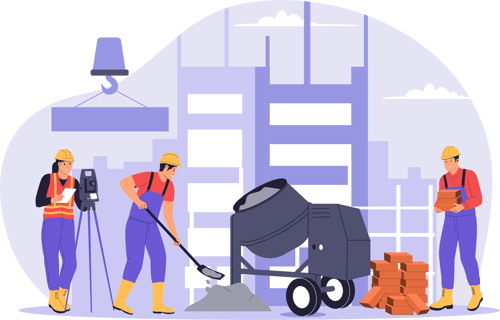
If you’re building, renovating, or doing major improvements, builders risk is designed to cover property in the course of construction – a different exposure than a standard “in-use” building.
Builders risk commonly helps protect:
- Materials on-site (and sometimes in transit, depending on policy)
- The structure while it’s being built or renovated
- Certain covered events like theft, vandalism, or weather damage during the project (policy terms vary)


Dwellings for 5 or More Units
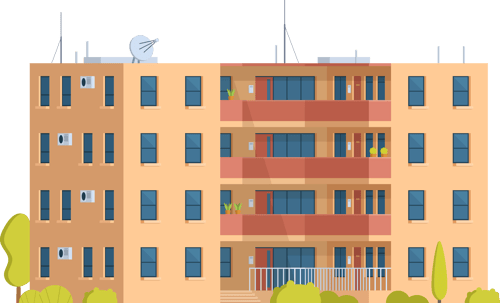
If you own or manage a multi-unit property (5+ units), you typically need a commercial approach to protect the building and support your rental business. This often includes:
- Building coverage
- Liability considerations for the premises
- Optional coverage that can help with lost rental income after a covered loss (availability and terms vary)
We can help you sort out the right structure based on how the property is used and managed.
What it May Not Cover
This is where the details matter. Common expectations to set early:
- Flood damage is typically not covered by standard property policies and is usually handled through separate flood insurance (NFIP or private options).
- Earthquake is often excluded unless added.
- Wear and tear / maintenance issues are generally not “insurance events.”
- Equipment breakdown may require specific coverage (sometimes added separately).
- Power outages off-premises, mold, and water backup can be limited or require endorsements (varies by carrier/policy).
We’ll review the gaps that matter most for your operations, so you’re not surprised later.

Real-World Claim Scenarios
1. Fire damages inventory & equipment
A covered fire causes smoke and heat damage to stock and essential equipment. Property coverage may help repair/replace covered items.
2. Break-in & theft
A thief steals tools or equipment stored on-site. If theft is a covered cause of loss under your policy form, coverage may respond up to limits and deductibles.
3. Renovation loss mid-project
Materials are stolen or a storm damages the structure during a remodel. Builders risk is designed for this “under construction” phase.
What Impacts Cost
Commercial property pricing depends on the risk details – not a one-size number. Common factors include:
- Building age, construction type, square footage, and condition
- Location and nearby exposures (e.g., neighboring tenants, fire protection)
- What you do in the building (office vs. cooking vs. manufacturing)
- Property values: building, contents, equipment, inventory
- Security and loss-prevention measures
- Claim history
- Policy form (broader vs more limited causes of loss), deductibles, and limits
- Add-ons like business income, equipment breakdown, water backup, etc.
What We’ll Ask You For
To move quickly and accurately, we’ll typically ask for:
- Business name and entity type
- Address(es) and description of operations
- Building details (owned vs leased, square footage, construction, year built, updates)
- Values to insure (building, contents, equipment, inventory)
- Lease requirements (if applicable) and any lender requirements
- Prior insurance and claim history (loss runs if available)
- Renovation/construction details (if builders risk is needed): scope, timeline, budget, parties involved
FAQs
Is commercial property insurance required?
It’s not usually legally required, but leases and lenders often require it as part of doing business.
What’s the difference between a BOP and commercial property insurance?
A BOP often bundles property + liability (and may include business income), while standalone commercial property is focused on property coverage.
Does commercial property cover my equipment and inventory?
Often yes – business property on or near the premises (like machinery, computers, raw materials, and inventory) is commonly included, subject to terms and limits.
If I rent space, do I still need property coverage?
Usually. You may be responsible for contents, tenant improvements, and what your lease requires you to insure.
Does it cover flood damage?
Flood is commonly excluded from standard policies and is typically purchased separately.
What is builders risk – and when do I need it?
Builders risk is property insurance designed for property in the course of construction (new builds or renovations).
Is business interruption included?
Sometimes (often within BOPs or by endorsement). We’ll confirm whether it’s included and what triggers it.
Will property insurance cover equipment breakdown?
Not always – many businesses add equipment breakdown coverage depending on reliance on key systems.
How do I know what limit I need?
We’ll work backwards from replacement costs and your business-critical assets (building, contents, inventory, and any contractual requirements).
What if I own a multi-unit building (5+ units)?
That often requires a commercial/dwelling approach designed for multi-unit ownership and rental exposures.
Talk to an Agent
Avoid the most common property coverage gaps and protect your building, equipment, and inventory located near Plymouth, Canton, or across Michigan. We’ll help you compare options and build a plan that fits your operations.